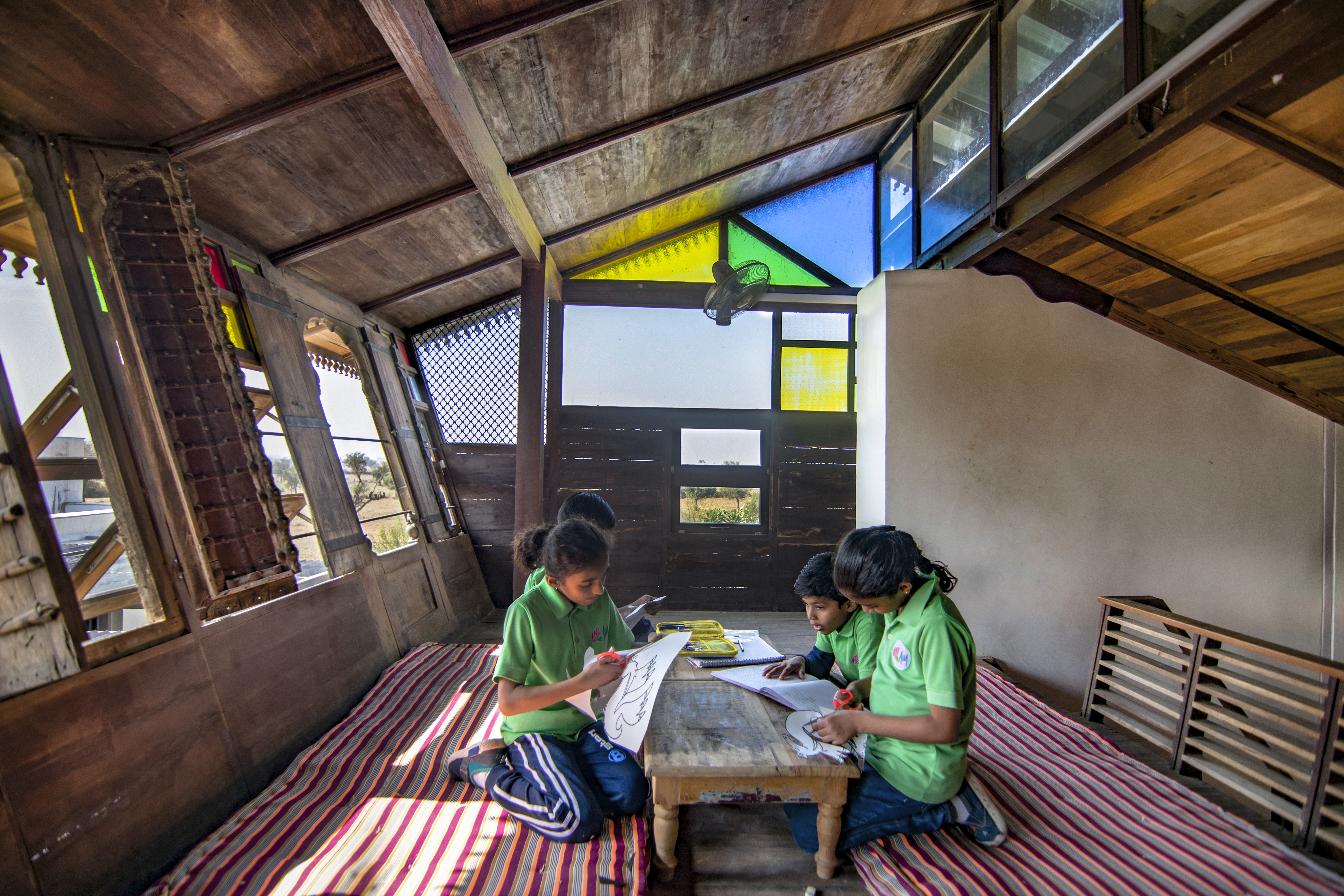
Unlock Your Potential

Cognitive
Access to books and academic journals.
Cognitive
Access to books and academic journals.
Cognitive
Access to books and academic journals.

Physical Wellbeing
Homework help and exam preparation.
Physical Wellbeing
Homework help and exam preparation.
Physical Wellbeing
Homework help and exam preparation.

Socioemotional Wellbeing
Access to educational technologies.
Socioemotional Wellbeing
Access to educational technologies.
Socioemotional Wellbeing
Access to educational technologies.

Spiritual Wellbeing
Interactive tools for digital learning.
Spiritual Wellbeing
Interactive tools for digital learning.
Spiritual Wellbeing
Interactive tools for digital learning.
Unlocking Students' Learning Potential
Programs

Advanced Placement
High-achieving students tackle college-level coursework to earn credits and prepare for higher education.
Advanced Placement
High-achieving students tackle college-level coursework to earn credits and prepare for higher education.
Advanced Placement
High-achieving students tackle college-level coursework to earn credits and prepare for higher education.

STEM Program
This Program emphasizes project-based learning and hands-on activities to boost problem-solving skills.
STEM Program
This Program emphasizes project-based learning and hands-on activities to boost problem-solving skills.
STEM Program
This Program emphasizes project-based learning and hands-on activities to boost problem-solving skills.

Arts & Humanities
This program fosters creativity and critical thinking through arts, music, drama, literature, and history.
Arts & Humanities
This program fosters creativity and critical thinking through arts, music, drama, literature, and history.
Arts & Humanities
This program fosters creativity and critical thinking through arts, music, drama, literature, and history.

Leadership Development
Students build leadership skills and engage in community service, learning responsibility and empathy.
Leadership Development
Students build leadership skills and engage in community service, learning responsibility and empathy.
Leadership Development
Students build leadership skills and engage in community service, learning responsibility and empathy.
Subjects

Mathematics
From arithmetic to calculus, our math curriculum builds essential problem-solving and analytical skills.
Mathematics
From arithmetic to calculus, our math curriculum builds essential problem-solving and analytical skills.
Mathematics
From arithmetic to calculus, our math curriculum builds essential problem-solving and analytical skills.

Science
Experiments in biology, chemistry, physics, and science enhance understanding of the natural world.
Science
Experiments in biology, chemistry, physics, and science enhance understanding of the natural world.
Science
Experiments in biology, chemistry, physics, and science enhance understanding of the natural world.

Language Arts
Focus on reading, writing, and communication to enhance literacy and critical thinking through public speaking.
Language Arts
Focus on reading, writing, and communication to enhance literacy and critical thinking through public speaking.
Language Arts
Focus on reading, writing, and communication to enhance literacy and critical thinking through public speaking.

Social Studies
Explore history, geography, economics, and civics to build global awareness and informed citizenship.
Social Studies
Explore history, geography, economics, and civics to build global awareness and informed citizenship.
Social Studies
Explore history, geography, economics, and civics to build global awareness and informed citizenship.
Design for Change
The movement is spearheaded by a global network of passionate community leaders, social entrepreneurs, designers and educators who are committed to nurturing the I CAN belief in all children.
Design for Change
The movement is spearheaded by a global network of passionate community leaders, social entrepreneurs, designers and educators who are committed to nurturing the I CAN belief in all children.
Design for Change
The movement is spearheaded by a global network of passionate community leaders, social entrepreneurs, designers and educators who are committed to nurturing the I CAN belief in all children.

Physical Education
Our PE program promotes fitness, teamwork, and lifelong healthy habits for student development.
Physical Education
Our PE program promotes fitness, teamwork, and lifelong healthy habits for student development.
Physical Education
Our PE program promotes fitness, teamwork, and lifelong healthy habits for student development.

Computer Science
Acquire key tech skills in coding, web development, and digital media to prepare for future careers.
Computer Science
Acquire key tech skills in coding, web development, and digital media to prepare for future careers.
Computer Science
Acquire key tech skills in coding, web development, and digital media to prepare for future careers.

Fine Arts
Express creativity and appreciate artistic disciplines through music, visual arts, and performing arts.
Fine Arts
Express creativity and appreciate artistic disciplines through music, visual arts, and performing arts.
Fine Arts
Express creativity and appreciate artistic disciplines through music, visual arts, and performing arts.
Grade Levels and Programs Overview
01
Playgroup to Prep
Preschool
This program builds foundational skills in reading, writing, and math, while nurturing curiosity and creativity through a broad curriculum that includes science, social studies, and the arts.

01
Playgroup to Prep
Preschool
This program builds foundational skills in reading, writing, and math, while nurturing curiosity and creativity through a broad curriculum that includes science, social studies, and the arts.
01
Playgroup to Prep
Preschool
This program builds foundational skills in reading, writing, and math, while nurturing curiosity and creativity through a broad curriculum that includes science, social studies, and the arts.
02
Grades 1-5
Primary School
At Alma Mater School, the Primary Years (Grades 1–5) provide a strong academic and emotional foundation through the Cambridge International Curriculum, designed to develop confident, responsible, reflective, and innovative learners. Drawing inspiration from John Dewey, Jean Piaget, Lev Vygotsky, and Kiran Bir Sethi, our Primary curriculum blends experiential learning, interdisciplinary projects, and real-world connections. Lessons extend beyond textbooks—students design experiments, build models, solve problems, and collaborate on community-based initiatives that make learning purposeful and joyful. Each learning experience is crafted to encourage critical thinking, communication, and creativity, helping students connect knowledge to life beyond the classroom. Our classrooms are active spaces where questioning, exploration, and collaboration thrive. Teachers serve as facilitators and mentors, guiding children to take ownership of their learning while fostering empathy, resilience, and respect for diversity. Continuous assessments and personalized feedback ensure that each learner progresses at their own pace and potential. By the end of Primary School, students emerge as curious thinkers, confident communicators, and compassionate individuals—fully prepared for the academic rigor and inquiry-based approach of the Cambridge Lower Secondary program.

02
Grades 1-5
Primary School
At Alma Mater School, the Primary Years (Grades 1–5) provide a strong academic and emotional foundation through the Cambridge International Curriculum, designed to develop confident, responsible, reflective, and innovative learners. Drawing inspiration from John Dewey, Jean Piaget, Lev Vygotsky, and Kiran Bir Sethi, our Primary curriculum blends experiential learning, interdisciplinary projects, and real-world connections. Lessons extend beyond textbooks—students design experiments, build models, solve problems, and collaborate on community-based initiatives that make learning purposeful and joyful. Each learning experience is crafted to encourage critical thinking, communication, and creativity, helping students connect knowledge to life beyond the classroom. Our classrooms are active spaces where questioning, exploration, and collaboration thrive. Teachers serve as facilitators and mentors, guiding children to take ownership of their learning while fostering empathy, resilience, and respect for diversity. Continuous assessments and personalized feedback ensure that each learner progresses at their own pace and potential. By the end of Primary School, students emerge as curious thinkers, confident communicators, and compassionate individuals—fully prepared for the academic rigor and inquiry-based approach of the Cambridge Lower Secondary program.
02
Grades 1-5
Primary School
At Alma Mater School, the Primary Years (Grades 1–5) provide a strong academic and emotional foundation through the Cambridge International Curriculum, designed to develop confident, responsible, reflective, and innovative learners. Drawing inspiration from John Dewey, Jean Piaget, Lev Vygotsky, and Kiran Bir Sethi, our Primary curriculum blends experiential learning, interdisciplinary projects, and real-world connections. Lessons extend beyond textbooks—students design experiments, build models, solve problems, and collaborate on community-based initiatives that make learning purposeful and joyful. Each learning experience is crafted to encourage critical thinking, communication, and creativity, helping students connect knowledge to life beyond the classroom. Our classrooms are active spaces where questioning, exploration, and collaboration thrive. Teachers serve as facilitators and mentors, guiding children to take ownership of their learning while fostering empathy, resilience, and respect for diversity. Continuous assessments and personalized feedback ensure that each learner progresses at their own pace and potential. By the end of Primary School, students emerge as curious thinkers, confident communicators, and compassionate individuals—fully prepared for the academic rigor and inquiry-based approach of the Cambridge Lower Secondary program.
03
Grades 6-8
Middle School
At Alma Mater School, the Middle Years (Grades 6–8) mark a transformative stage where curiosity evolves into inquiry and learning becomes self-driven. Aligned with the Cambridge Lower Secondary Curriculum, our program encourages students to think critically, question deeply, and connect knowledge across disciplines. Inspired by the educational philosophies of John Dewey, Jean Piaget, Lev Vygotsky, and Kiran Bir Sethi, our approach promotes experiential learning, collaborative projects, and interdisciplinary understanding. Students engage in hands-on experiments, research-based inquiry, and community problem-solving that build real-world awareness and academic confidence. Technology and innovation are seamlessly integrated into the curriculum to develop digital fluency, creativity, and analytical thinking. Classrooms become laboratories of ideas—where students debate, design, and create solutions for authentic challenges. Our educators act as mentors, nurturing independence, empathy, and leadership while guiding learners to set personal goals and reflect on their growth. Continuous feedback and performance tracking ensure each child progresses holistically. By the end of Middle School, students emerge as independent thinkers, effective communicators, and responsible global citizens, ready to take on the rigor of the Cambridge IGCSE program.
03
Grades 6-8
Middle School
At Alma Mater School, the Middle Years (Grades 6–8) mark a transformative stage where curiosity evolves into inquiry and learning becomes self-driven. Aligned with the Cambridge Lower Secondary Curriculum, our program encourages students to think critically, question deeply, and connect knowledge across disciplines. Inspired by the educational philosophies of John Dewey, Jean Piaget, Lev Vygotsky, and Kiran Bir Sethi, our approach promotes experiential learning, collaborative projects, and interdisciplinary understanding. Students engage in hands-on experiments, research-based inquiry, and community problem-solving that build real-world awareness and academic confidence. Technology and innovation are seamlessly integrated into the curriculum to develop digital fluency, creativity, and analytical thinking. Classrooms become laboratories of ideas—where students debate, design, and create solutions for authentic challenges. Our educators act as mentors, nurturing independence, empathy, and leadership while guiding learners to set personal goals and reflect on their growth. Continuous feedback and performance tracking ensure each child progresses holistically. By the end of Middle School, students emerge as independent thinkers, effective communicators, and responsible global citizens, ready to take on the rigor of the Cambridge IGCSE program.
03
Grades 6-8
Middle School
At Alma Mater School, the Middle Years (Grades 6–8) mark a transformative stage where curiosity evolves into inquiry and learning becomes self-driven. Aligned with the Cambridge Lower Secondary Curriculum, our program encourages students to think critically, question deeply, and connect knowledge across disciplines. Inspired by the educational philosophies of John Dewey, Jean Piaget, Lev Vygotsky, and Kiran Bir Sethi, our approach promotes experiential learning, collaborative projects, and interdisciplinary understanding. Students engage in hands-on experiments, research-based inquiry, and community problem-solving that build real-world awareness and academic confidence. Technology and innovation are seamlessly integrated into the curriculum to develop digital fluency, creativity, and analytical thinking. Classrooms become laboratories of ideas—where students debate, design, and create solutions for authentic challenges. Our educators act as mentors, nurturing independence, empathy, and leadership while guiding learners to set personal goals and reflect on their growth. Continuous feedback and performance tracking ensure each child progresses holistically. By the end of Middle School, students emerge as independent thinkers, effective communicators, and responsible global citizens, ready to take on the rigor of the Cambridge IGCSE program.
02
Grades 9-12
High School
At Alma Mater School, the High School years (Grades 9–12) represent a time of exploration, growth, and preparation for global success. Following the Cambridge IGCSE and A-Level Curriculum, students engage in a rigorous academic program that fosters critical thinking, creativity, and independent learning. Our philosophy draws from John Dewey, Jean Piaget, Lev Vygotsky, and Kiran Bir Sethi, emphasizing learning by doing and education for life. Through inquiry-based projects, research opportunities, and real-world applications, students develop a deep understanding of concepts and confidence in expressing their ideas. The curriculum encourages choice and specialization—enabling learners to pursue their interests in sciences, humanities, commerce, or creative arts while developing strong analytical and problem-solving skills. Teachers serve as facilitators and mentors, guiding students through academic rigor, personal growth, and leadership development. Beyond academics, life skills, ethical understanding, and community engagement are integral to shaping responsible global citizens. By graduation, Alma Mater students emerge as confident, compassionate, and future-ready individuals—equipped to thrive in universities and workplaces worldwide.
02
Grades 9-12
High School
At Alma Mater School, the High School years (Grades 9–12) represent a time of exploration, growth, and preparation for global success. Following the Cambridge IGCSE and A-Level Curriculum, students engage in a rigorous academic program that fosters critical thinking, creativity, and independent learning. Our philosophy draws from John Dewey, Jean Piaget, Lev Vygotsky, and Kiran Bir Sethi, emphasizing learning by doing and education for life. Through inquiry-based projects, research opportunities, and real-world applications, students develop a deep understanding of concepts and confidence in expressing their ideas. The curriculum encourages choice and specialization—enabling learners to pursue their interests in sciences, humanities, commerce, or creative arts while developing strong analytical and problem-solving skills. Teachers serve as facilitators and mentors, guiding students through academic rigor, personal growth, and leadership development. Beyond academics, life skills, ethical understanding, and community engagement are integral to shaping responsible global citizens. By graduation, Alma Mater students emerge as confident, compassionate, and future-ready individuals—equipped to thrive in universities and workplaces worldwide.
02
Grades 9-12
High School
At Alma Mater School, the High School years (Grades 9–12) represent a time of exploration, growth, and preparation for global success. Following the Cambridge IGCSE and A-Level Curriculum, students engage in a rigorous academic program that fosters critical thinking, creativity, and independent learning. Our philosophy draws from John Dewey, Jean Piaget, Lev Vygotsky, and Kiran Bir Sethi, emphasizing learning by doing and education for life. Through inquiry-based projects, research opportunities, and real-world applications, students develop a deep understanding of concepts and confidence in expressing their ideas. The curriculum encourages choice and specialization—enabling learners to pursue their interests in sciences, humanities, commerce, or creative arts while developing strong analytical and problem-solving skills. Teachers serve as facilitators and mentors, guiding students through academic rigor, personal growth, and leadership development. Beyond academics, life skills, ethical understanding, and community engagement are integral to shaping responsible global citizens. By graduation, Alma Mater students emerge as confident, compassionate, and future-ready individuals—equipped to thrive in universities and workplaces worldwide.